Health Risks Associated With Stinging Insects on Your Property
Local service providers can help reduce health risks associated with stinging insects on your property by safely removing nests and preventing future infestations.
Understanding the health risks associated with stinging insects on your property is an important step for property owners in the area. These insects, such as wasps, hornets, and bees, can pose serious health threats, especially for those with allergies or sensitivities. Their nests often develop unnoticed, and accidental encounters can lead to painful stings or allergic reactions. Exploring this topic helps homeowners recognize the importance of managing these pests early, before they become a danger to family, friends, or pets. Local contractors specializing in stinging insect pest control can provide effective solutions to reduce these risks and create a safer outdoor environment.
Property owners who spend time outdoors or have children and pets should pay close attention to the potential health hazards posed by stinging insects. Nests can be hidden in trees, shrubs, or structures, making it easy for these insects to surprise unsuspecting visitors. Taking proactive steps with the help of local service providers can prevent stings and minimize the chance of allergic reactions. Keep reading to learn more about the health risks and how local pest control experts can assist in safely removing stinging insect nests, helping to protect everyone on your property.
- Common Projects - Local contractors can safely remove stinging insect nests to reduce the risk of allergic reactions and injuries.
- Common Projects - Professionals can identify and eliminate hive locations that pose health risks associated with stinging insects on your property.
- Common Projects - Pest control experts can apply targeted treatments to prevent stinging insects from establishing dangerous colonies near human activity areas.
- Common Projects - Local service providers can advise on early detection methods to minimize exposure to health risks linked to stinging insects.
- Common Projects - Experienced contractors can perform thorough inspections to locate and address stinging insect threats that could lead to health complications.
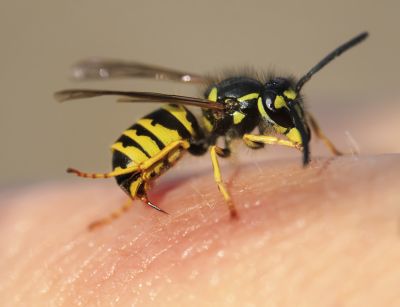
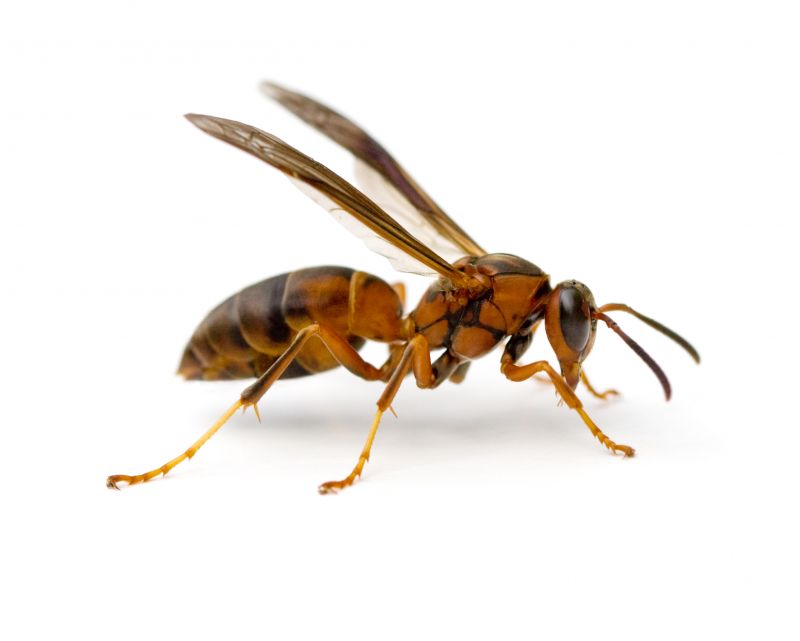
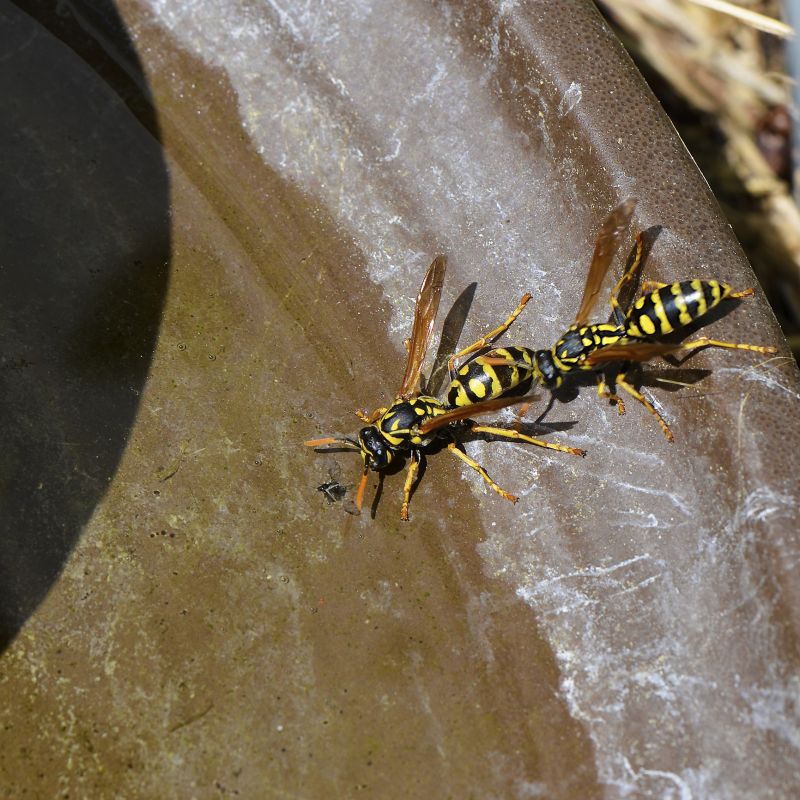
When people search for information about health risks associated with stinging insects on their property, they are often concerned about the potential dangers these insects pose to themselves, their families, and pets. Stinging insects such as wasps, hornets, and bees can become aggressive if their nests are disturbed, leading to painful stings that may cause allergic reactions or other health issues. Homeowners typically want to understand how these insects might threaten their daily activities, outdoor gatherings, or even the safety of children playing in the yard. Recognizing these risks helps homeowners decide whether professional pest control services are necessary to eliminate or manage nests safely and effectively.
This topic is closely related to plans for maintaining a safe outdoor environment and preventing health emergencies. Many property owners consider pest control as part of their overall property maintenance or safety strategy, especially if they notice increased insect activity or suspect a nest nearby. Addressing stinging insect populations proactively can reduce the chances of unexpected stings during outdoor activities, picnics, or family gatherings. Homeowners often seek guidance on how to identify signs of infestations and when to involve local contractors who specialize in stinging insect removal. This proactive approach can help prevent health complications and ensure that outdoor spaces remain safe and enjoyable.
Properties that commonly come up in discussions about stinging insects include residential yards, gardens, and multi-unit housing complexes. These areas tend to attract insects due to the availability of food, water, and shelter. Fruit trees, flower beds, and compost piles can serve as attractive sites for nests, increasing the likelihood of encounters with stinging insects. Additionally, outdoor recreational spaces, playgrounds, and patios are often focal points for concerns about health risks associated with stinging insects on your property. Understanding the types of properties most affected helps homeowners recognize the importance of regular inspections and professional interventions to keep their outdoor environments safe.
Local service providers who handle stinging insect pest control play a vital role in managing these health risks. They are equipped to identify the presence of nests, assess the level of risk, and implement safe removal methods. Engaging experienced contractors can help homeowners eliminate active nests and prevent future infestations, reducing the likelihood of painful stings and allergic reactions. Proper removal and ongoing management by local pros contribute to a safer outdoor environment, allowing property owners to enjoy their yards without the constant worry of insect stings. Connecting with these specialists ensures that health risks associated with stinging insects on your property are addressed effectively and responsibly.
Wildlife Removal Projects - These projects involve safely removing animals and insects from residential properties, requiring knowledge of insect behavior and effective exclusion techniques related to stinging insects.
Yard and Garden Pest Control - Managing pests in outdoor spaces involves identifying and eliminating insect nesting sites, which is similar to addressing stinging insect hazards on your property.
Nest Removal Services - Removing nests of stinging insects requires careful planning and understanding of insect habitats, making it relevant to projects that reduce health risks associated with stinging insects on your property.
Property Inspection Services - Conducting thorough inspections helps identify potential insect nesting areas, aiding in the prevention of health risks linked to stinging insects on residential properties.
Insect Barrier Installation - Installing physical barriers to prevent insect entry involves planning and knowledge of insect entry points, which is useful for reducing stinging insect populations and related health risks.
Structural Repair Projects - Repairing and sealing building openings can prevent insects from nesting indoors, contributing to the mitigation of health risks associated with stinging insects on your property.
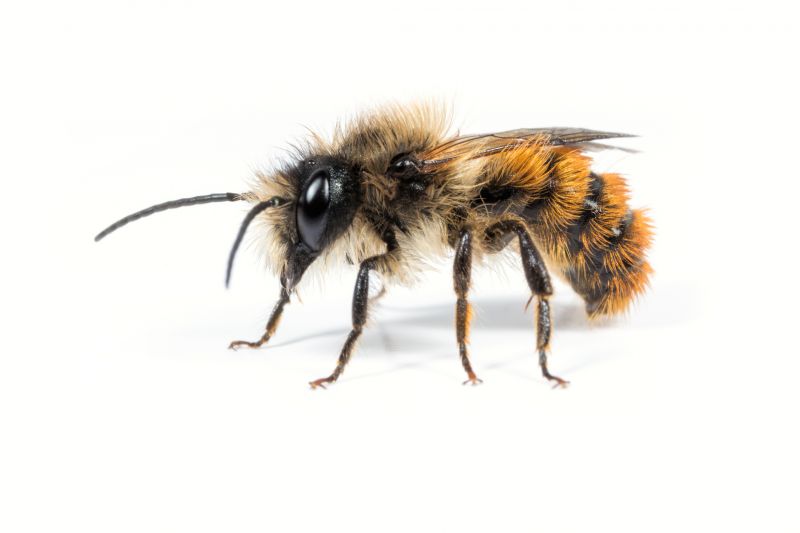
When evaluating local contractors for stinging insects pest control services, it is important to consider their experience with similar projects. Homeowners should seek out providers who have a proven track record in handling stinging insect issues, especially in environments comparable to their own property. An experienced service provider is more likely to understand the behaviors of different stinging insects and employ effective methods to mitigate health risks associated with these pests. This familiarity can also contribute to a safer and more efficient treatment process, reducing the potential for accidental stings or incomplete removal.
Clear written expectations are essential when comparing local contractors for stinging insect control. Homeowners should look for providers who offer detailed descriptions of the services included, what the treatment process entails, and any follow-up recommendations. Transparent communication about what is and isn’t covered helps prevent misunderstandings and ensures that the homeowner’s concerns about health risks are addressed appropriately. Well-defined service plans also make it easier to assess the scope of work and determine whether a contractor’s approach aligns with the homeowner’s safety priorities.
Reputable references and good communication are key factors in choosing a reliable service provider. Homeowners can benefit from seeking out reviews or testimonials from previous clients, which can provide insights into the contractor’s professionalism and effectiveness. Additionally, a contractor who is responsive and willing to answer questions can help clarify procedures, safety measures, and expectations. Open and clear communication fosters trust and ensures that homeowners are well-informed about how the treatment will reduce health risks associated with stinging insects on their property.
Property owners often search for health risks associated with stinging insects on your property when they are planning practical projects around their homes and businesses. Local pros provide Stinging Insects Pest Control services for everyday jobs and straightforward project options.
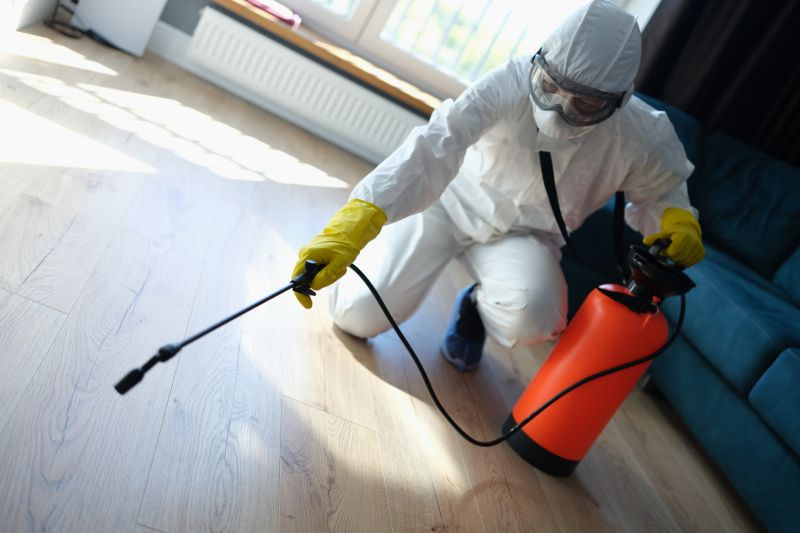
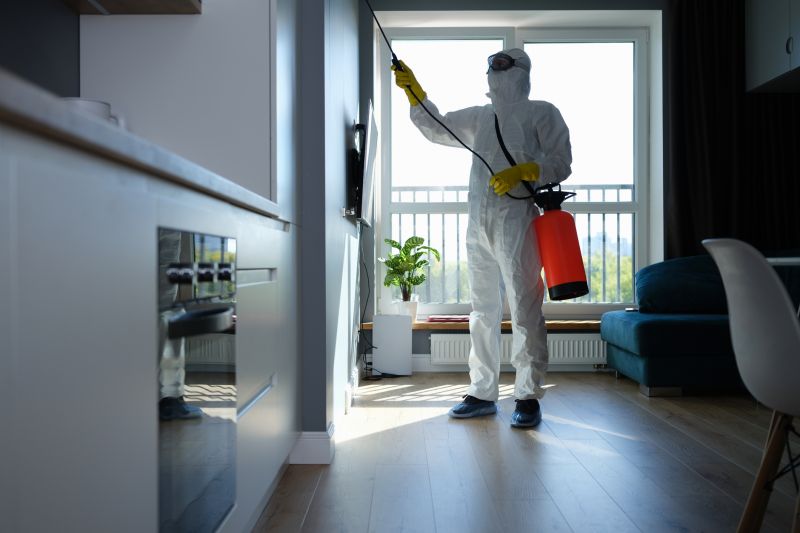
Stinging insects such as wasps, hornets, and bees often build nests around residential properties, especially in areas like eaves, shrubs, and garages. For property owners engaging in everyday projects like gardening, outdoor cleaning, or even children’s play, these insects can pose health risks if disturbed. Their stings can cause allergic reactions or pain, making it important to address potential nesting sites before they become a hazard. Local contractors specializing in pest control can evaluate the property, safely remove nests, and reduce the likelihood of unexpected stings during routine outdoor activities.
Understanding the health risks associated with stinging insects on your property highlights the importance of professional intervention. These pests are more than just a nuisance; their stings can lead to serious allergic responses or infections, especially if nests are close to frequently used outdoor spaces. Property owners seeking peace of mind during outdoor projects or family gatherings may consider connecting with local pest control service providers. These experts can implement effective strategies to eliminate stinging insect populations, helping to create a safer environment for everyday outdoor activities.
What are the health risks associated with stinging insects on my property? Stinging insects can pose health risks such as allergic reactions, painful stings, and potential infections. Local contractors can help identify and remove nests to reduce these dangers.
How can stinging insects affect people with allergies? Individuals with insect allergies are at risk of severe reactions like anaphylaxis if stung. Professional pest control services can eliminate nests to prevent accidental stings.
Are there health concerns beyond allergic reactions? Yes, stings can lead to infections or secondary complications if not properly treated. Local service providers can safely remove the insects and their nests to minimize these risks.
What symptoms should prompt immediate medical attention after a sting? Severe swelling, difficulty breathing, dizziness, or hives indicate a possible allergic reaction. While pest control can reduce risk, seek medical help if symptoms occur.
How do pest control services help reduce health risks from stinging insects? They identify and remove nests safely, preventing stings and minimizing exposure to health hazards associated with these insects on your property.
Identify high-risk areas - property owners can evaluate and mark locations where stinging insects are likely to build nests, making it easier for local contractors to target treatment efforts.
Remove attractants - clearing away food scraps, garbage, and sweetened drinks can reduce insect activity and health risks associated with stinging insects on your property.
Schedule regular inspections - engaging local pros for routine checks can help detect early signs of nests and prevent potential health hazards before they escalate.
Implement preventive barriers - installing screens or physical barriers around outdoor spaces can help keep stinging insects away, minimizing the risk of stings and related health issues.
If you are thinking about health risks associated with stinging insects on your property for a property, this guide is meant to help you understand this topic, the typical project types, and how different options might fit your plans.
When you are ready, you can use the quote form on this page to share a few details about your project. From there, local pros can review the basics and follow up with options that match what you have in mind.